The Science of Effective Learning: Strategies for Retaining Information and Boosting Memory
Published on July 22, 2023

In the fast-paced world of today, learning is an essential part of personal and professional growth. Whether you are a student, a professional, or simply an avid learner, understanding the science behind effective learning can significantly enhance your ability to retain information and boost your memory.
The Brain and Learning
Before delving into effective learning strategies, it's crucial to understand how the brain processes and retains information. The brain is a complex organ that constantly forms new connections and strengthens existing ones through a process called neuroplasticity. When we learn something new, neurons in the brain create pathways that facilitate the retrieval of that information later on.
One key aspect of effective learning is engaging multiple senses. Studies have shown that the more senses we involve in the learning process, the better we remember the information. Utilizing visuals, auditory cues, and hands-on experiences can reinforce learning and create stronger neural connections.
Spaced Repetition
Spaced repetition is a powerful technique that involves reviewing information at increasing intervals over time. Instead of cramming all the material at once, spaced repetition helps distribute learning sessions, allowing the brain to solidify memories through repeated exposure.
Introducing spaced repetition into your study routine can help you retain information for the long term and prevent forgetting shortly after learning something. Many modern learning platforms and apps incorporate spaced repetition algorithms to optimize memory retention.
Active Recall
Active recall is the process of actively retrieving information from memory rather than passively reviewing it. This technique has been proven to be highly effective in strengthening memory and improving retention rates.
Implement active recall by testing yourself on the material, whether through flashcards, quizzes, or simply trying to explain the concepts aloud. By actively engaging with the information, you signal to your brain that this knowledge is essential, leading to stronger neural connections.
Chunking
Chunking is the process of breaking down complex information into smaller, manageable chunks. Our working memory has limitations, and trying to process too much information at once can lead to overload and hinder learning.
By organizing information into meaningful groups, you can make it easier for your brain to process and remember. This strategy is particularly useful when learning complex subjects or memorizing lengthy sequences.
"Learning is not attained by chance; it must be sought for with ardor and attended with diligence." - Abigail Adams
Visualization and Mind Mapping
Visualization is a potent tool for memory retention. When you create mental images of the concepts you are learning, you create additional associations that aid in remembering the information.
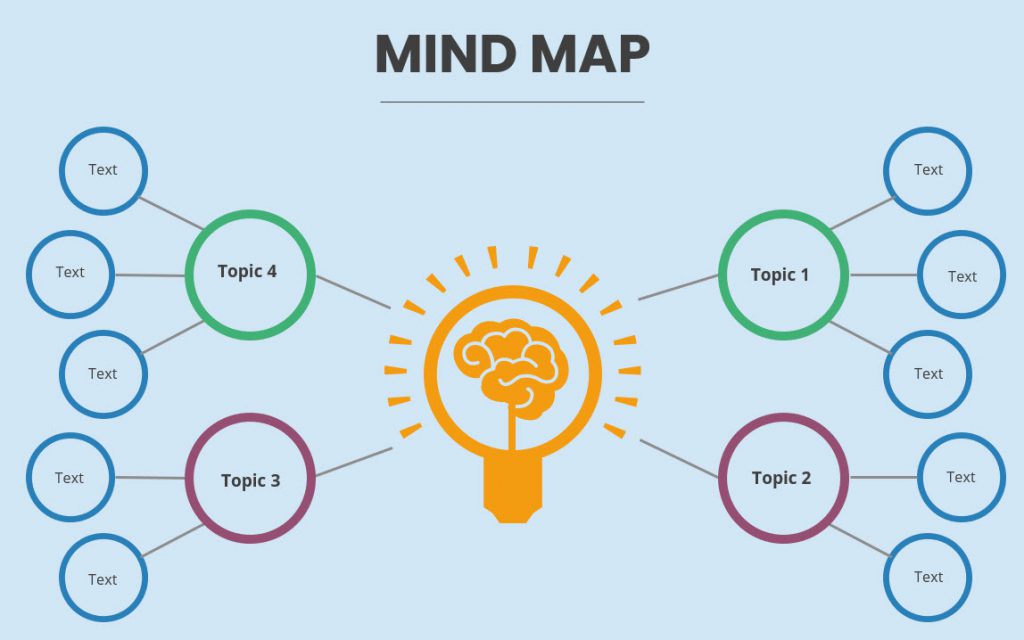
Mind mapping is an excellent technique for visual learners. It involves creating diagrams that connect different ideas and concepts, helping you see the relationships between various pieces of information.
Get Enough Sleep
Sleep plays a crucial role in memory consolidation. During sleep, the brain processes and organizes the information gathered throughout the day, transferring it from short-term to long-term memory storage.
Ensure you get enough quality sleep, especially after intensive learning sessions. Avoiding sleep deprivation is essential for optimal cognitive function and effective learning.
Unlock Your Learning Potential
By incorporating these science-backed strategies into your learning routine, you can unleash your full learning potential. Whether you're studying for exams, acquiring new skills, or exploring new subjects, effective learning techniques can make a significant difference in your educational journey.
Embrace the science of effective learning and embark on a path of continuous growth and knowledge!